
AML Best Practices for Money Exchange Businesses in the UAE
AML Best Practices for Money Exchange Businesses in the UAE
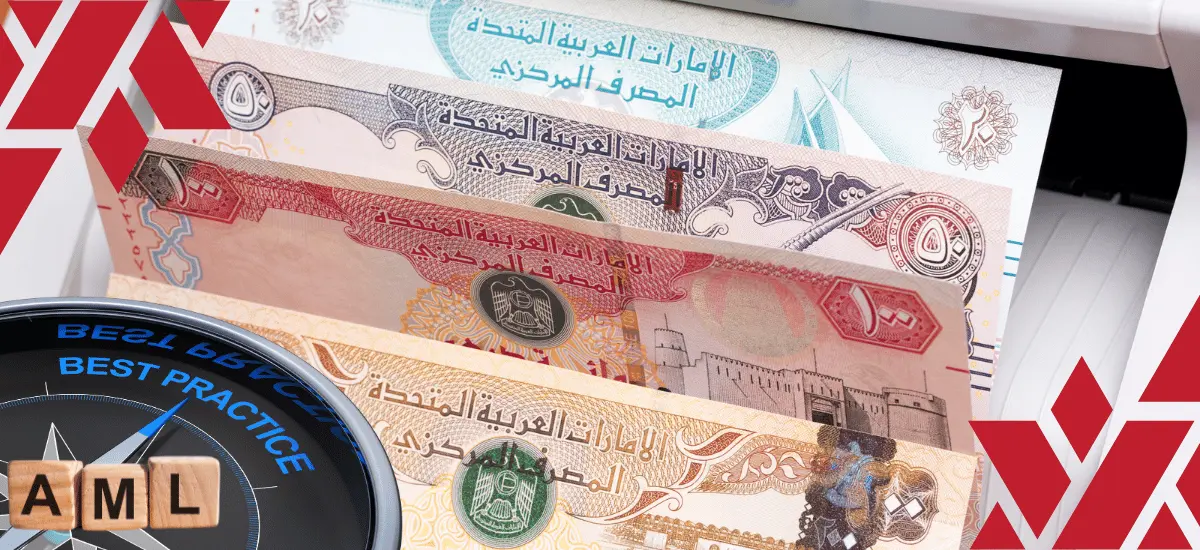
Money exchange and remittance businesses play a critical role in the UAE’s financial system — especially due to the country’s large expatriate population and strong global financial connections. However, this also makes exchange houses a prime target for money laundering and illegal transfers.
To protect the financial ecosystem, the Central Bank of the UAE (CBUAE) enforces strict Anti-Money Laundering (AML) and Counter-Financing of Terrorism (CFT) requirements.
Failure to comply can result in:
-
Heavy financial penalties
-
License restrictions or cancellation
-
High-risk classification during inspections
-
Severe reputational damage impacting customers and partners
As regulatory scrutiny continues to increase, strong AML compliance is no longer optional — it is a survival requirement for exchange houses.
Key AML Compliance Requirements for Exchange Houses
To meet UAE regulatory expectations, money exchange businesses must focus on the following pillars:
✅ 1️⃣ Strong Customer Due Diligence (CDD/KYC)
-
Verify identity documents and source of funds
-
Identify Politically Exposed Persons (PEPs)
-
Conduct Enhanced Due Diligence (EDD) for high-risk customers
-
Validate real purpose behind transactions
Incomplete onboarding is one of the main reasons institutions receive penalties.
✅ 2️⃣ Effective Sanctions Screening
Screen all customers and transactions against:
-
UN sanctions lists
-
UAE national lists
-
Other relevant international lists
Failures in sanctions screening = immediate enforcement action
✅ 3️⃣ Robust Transaction Monitoring
Exchange houses must monitor:
-
Unusual cash transactions
-
Suspicious remittance patterns
-
Structuring or smurfing activities
-
High-risk country transfers
Monitoring systems must be risk-based and continuously updated.
✅ 4️⃣ Timely Suspicious Transaction Reporting (STR)
Any suspicious activity must be:
-
Investigated immediately
-
Reported to the Financial Intelligence Unit (FIU) via goAML
-
Properly documented
Late or inaccurate STR filing is a direct regulatory violation.
✅ 5️⃣ Ongoing Staff Training
Frontline staff should be trained on:
-
Red flags for money laundering
-
Reporting obligations and escalation procedures
-
Document verification standards
Training must be:
✅ Role-based
✅ Frequent
✅ Documented as compliance evidence
✅ 6️⃣ Strong Governance, Controls & Record-Keeping
-
AML roles and responsibilities must be clearly allocated
-
Policies and SOPs should reflect latest regulations
-
All decisions must be fully documented
If it’s not documented — it’s considered not done.
Common Mistakes That Lead to Penalties
Even large exchange houses experience compliance failures such as:
🚫 Allowing high-risk customers with insufficient checks
🚫 Screening only at onboarding, not during transactions
🚫 Over-reliance on manual processes
🚫 Incomplete STR files
🚫 Lack of AML system validation
Regulators are particularly concerned about cash-intensive business risks — making exchange houses a priority for inspections.
Best Practice Checklist for UAE Money Exchange Businesses
Here is a quick compliance checklist to strengthen risk controls:
| Requirement | Best Practice | Status |
|---|---|---|
| CDD/KYC | Follow risk-based onboarding & EDD for high-risk | ✅/❌ |
| Sanctions Screening | Screen customers + transactions + beneficiaries | ✅/❌ |
| Monitoring Systems | Smart rules + automated alerts + periodic tuning | ✅/❌ |
| STR Reporting | Clear escalation and quick FIU submission | ✅/❌ |
| Training | Mandatory annual + onboarding training | ✅/❌ |
| Governance | Defined AML team accountability | ✅/❌ |
| Audit | Independent AML compliance audits | ✅/❌ |
You can convert this into a compliance scorecard for your organization.
Why AML Compliance Must Be a Priority in 2025
Exchange houses in the UAE must:
-
Maintain regulator confidence
-
Avoid costly disruptions and penalties
-
Secure long-term operational licenses
-
Build a trustworthy reputation
Strong AML is a business protector, not just a regulatory burden.
Partner With UP-RIGHT Management & Consultancy for AML Compliance Excellence
At UP-RIGHT Management & Consultancy, we help money exchange businesses meet and exceed AML expectations with:
✅ AML policies, procedures & framework enhancement
✅ Sanctions & transaction monitoring reviews
✅ Staff awareness & goAML reporting training
✅ Risk assessments aligned with CBUAE requirements
✅ Independent AML compliance audits
Our experts ensure your AML systems are strong, sustainable, and fully compliant.
📞 +971 2 635 8885
📩 info@uprightmc.com
🌐 www.uprightmc.com